High in the Himalayan mountains of Nepal, cliff-dwelling bees produce one of nature’s most intriguing substances: mad honey. This isn’t your typical farmers market find. When these giant honeybees feed on certain rhododendron flowers, they create a honey containing natural psychoactive compounds that have fascinated cultures for thousands of years.
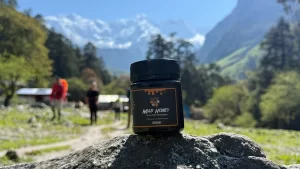
The story of mad honey intertwines danger, tradition, and mystery. Gurung honey hunters still risk their lives on vertical cliff faces to harvest it using techniques passed down through generations. What makes this honey “mad” are grayanotoxins – naturally occurring compounds that can produce effects ranging from gentle relaxation to intense hallucinations.
What Makes Mad Honey Different from Regular Honey?
Mad honey contains grayanotoxins, toxic compounds found in rhododendron nectar. When Himalayan giant honeybees (Apis laboriosa) collect this nectar from high-altitude rhododendron forests, these toxins concentrate in their honey.
The result is a distinctive reddish honey – locally called “red honey” – with properties no ordinary honey possesses. The concentration of grayanotoxins varies significantly between batches, making each harvest unpredictable in potency.
The Giant Himalayan Honeybee
Apis laboriosa is the world’s largest honeybee species. These remarkable insects build massive hives on sheer cliff faces at high altitudes, sometimes over 2,500 meters above sea level. Their size, nesting habits, and exclusive diet of rhododendron nectar make them the only bees capable of producing true mad honey.
Their cliff-dwelling behavior evolved as protection from predators, but it creates extreme danger for human harvesters. This inaccessibility is one reason authentic Himalayan mad honey remains rare and valuable.
Why Is It Called “Mad Honey”?
The name comes from its intoxicating effects. Historical records show people becoming disoriented, acting erratically, or temporarily losing coordination after consuming this honey.
The earliest documented case dates to 401 BCE, when Greek historian Xenophon recorded his troops consuming honey in what’s now Turkey. The soldiers became incapacitated for hours, exhibiting confusion and strange behavior before recovering. This incident cemented the honey’s reputation as both powerful and potentially dangerous.
In local languages, similar names persist. Turkish speakers call it “deli bal,” literally translating to “crazy honey.” The Gurung people of Nepal have their own traditional names reflecting both respect and caution for this substance.
Where Does Mad Honey Come From?
Nepal: The Primary Source
The Himalayan regions of Nepal produce the world’s most sought-after mad honey. Key areas include:
- Lamjung District – Traditional stronghold of Gurung honey hunters
- Gorkha and Manaslu Region – Remote areas along popular trekking routes
- Myagdi and Kaski – High-altitude zones with abundant rhododendron forests
These regions share specific conditions: the right altitude (typically 2,500-3,500 meters), particular rhododendron species, and the presence of Apis laboriosa colonies. The Gurung people maintain exclusive knowledge of harvesting locations and techniques, information they’ve protected for centuries.
Turkey’s Black Sea Region
Turkey produces its own version of mad honey, particularly in provinces along the Black Sea coast. Turkish mad honey comes from different rhododendron species than Himalayan varieties, but contains similar grayanotoxins. The tradition of using it medicinally runs deep in local culture, though it’s caused numerous poisoning cases when misused.
Why These Locations?
Mad honey requires a perfect convergence of factors that exist in very few places globally:
- High-altitude rhododendron species containing grayanotoxins
- Populations of bees that preferentially feed on these flowers
- Climate conditions supporting both plant and bee populations
- Geographic isolation limiting other nectar sources
How Mad Honey Affects the Body
Grayanotoxins interfere with sodium channels in nerve cells, disrupting normal nerve signal transmission. This mechanism affects multiple body systems simultaneously.
Low Dose Effects (Not more than 1/2 teaspoon)
- Mild euphoria and sense of well-being
- Slight tingling sensations in extremities
- Lightheadedness or gentle dizziness
- Enhanced sensory perception
- Warmth and relaxation
- Potential mild pain relief
High Dose Effects (More than 1 tablespoon)
- Intense visual and auditory hallucinations
- Severe dizziness and loss of balance
- Nausea and vomiting
- Excessive salivation and sweating
- Dangerous drops in blood pressure
- Slowed heart rate (bradycardia)
- Temporary muscle weakness or paralysis
- Loss of consciousness in extreme cases
The unpredictable concentration of grayanotoxins between batches makes dosing extremely difficult. What constitutes a “low dose” from one harvest might be a dangerous amount from another.
How Long Do Effects Last?
Symptoms typically begin within 30 minutes to 2 hours after consumption. Most effects resolve within 24 hours, though some people report lingering fatigue for several days. Severe poisoning cases may require hospitalization and cardiac monitoring.
Is Mad Honey Safe to Consume?
The honest answer: it carries real risks that shouldn’t be minimized.
Several factors make mad honey particularly unpredictable:
Variable potency – Grayanotoxin concentrations fluctuate wildly based on rhododendron bloom timing, weather conditions, and specific flowers the bees visited. Two batches from the same location in different years can have drastically different strengths.
Individual sensitivity – People react differently to grayanotoxins. Body weight, metabolism, and genetic factors all influence how someone responds to the same dose.
No standardization – Unlike pharmaceutical products, there’s no quality control or consistent dosing information. You’re essentially experimenting each time.
Medical interactions – Mad honey can dangerously interact with heart medications, blood pressure drugs, and numerous other pharmaceuticals.
Who Should Avoid Mad Honey Completely?
- Pregnant or breastfeeding women
- People with heart conditions or arrhythmias
- Those taking blood pressure medications
- Anyone with a history of fainting or syncope
- Individuals on antidepressants or psychiatric medications
Even healthy adults should approach mad honey with extreme caution and never consume it alone or in situations where losing consciousness would be dangerous.
Traditional and Cultural Significance
The Gurung Honey Hunters
For the Gurung people of central Nepal, honey hunting represents far more than resource gathering—it’s a sacred cultural practice. Twice yearly, during spring and autumn, experienced hunters scale cliff faces using handwoven rope ladders, relying on techniques unchanged for generations.
The hunt begins with rituals. Offerings to mountain spirits, prayers for safety, and ceremonial preparation of equipment all precede the dangerous climb. Only certain men, initiated into the practice through years of apprenticeship, perform the actual harvesting.
Suspended on rope ladders hundreds of feet above the ground, hunters use long poles to smoke out the bees before cutting sections of honeycomb. The physical danger is immense—falls are sometimes fatal. Yet the tradition continues, partly from economic necessity and partly from cultural pride.
Traditional Medicine Applications
Both Nepalese and Turkish traditional healers have used mad honey for various conditions:
Hypertension – Small amounts were traditionally given to lower blood pressure, though this effect is unpredictable and potentially dangerous without medical supervision.
Sexual dysfunction – Mad honey’s reputation as an aphrodisiac persists in folk medicine, though scientific evidence for this use is lacking.
Digestive complaints – Some traditional practitioners recommend it for stomach issues and gastrointestinal problems.
Pain management – The numbing effects of grayanotoxins led to its use for various pain conditions.
Energy and vitality – In very small amounts, it was consumed as a general tonic.
Important Context
These traditional uses reflect historical practices, not validated medical treatments. Modern healthcare professionals generally advise against using mad honey therapeutically due to its unpredictable effects and potential for serious adverse reactions.
The Science Behind Grayanotoxins
Rhododendron plants evolved grayanotoxins as a defense mechanism against herbivores. These compounds make the plants toxic to most animals that might eat them. When bees collect nectar from these flowers, they concentrate the toxins without being harmed themselves.
Not all rhododendron species contain grayanotoxins. Specific varieties that grow at high altitudes in Nepal and Turkey’s Black Sea region produce the highest concentrations. The exact species vary by location:
- Rhododendron ponticum and R. luteum in Turkey
- Rhododendron campanulatum and R. thomsonii in Nepal
Environmental factors influence toxin levels significantly. Flowers blooming during certain seasons or after specific weather patterns may contain higher concentrations. This natural variation makes standardizing mad honey impossible.
Modern Interest and Availability
Online searches for mad honey have increased dramatically in recent years, driven by interest in natural psychoactive substances and exotic foods. However, purchasing authentic mad honey comes with challenges.
Authenticity Concerns
Many products marketed as “mad honey” contain little to no grayanotoxins. Without laboratory testing, verifying authenticity is nearly impossible for consumers. Some sellers dilute genuine mad honey with regular honey, reducing both potency and price. Others sell regular honey fraudulently labeled as mad honey.
Genuine Himalayan mad honey typically costs significantly more than regular honey due to:
- Extreme difficulty and danger of harvesting
- Limited production quantities
- Remote locations and transportation challenges
- Growing international demand
Legal Status
Mad honey occupies a gray area in most countries. It’s not explicitly controlled like other psychoactive substances, but neither is it approved for medicinal use. Importing it may face customs scrutiny, and selling it with health claims violates regulations in many jurisdictions.
A Note on Responsible Information
This article presents information about mad honey for educational purposes based on traditional knowledge, historical documentation, and available research. Nothing here should be interpreted as medical advice or encouragement to consume mad honey.
The psychoactive properties of mad honey carry real risks. Grayanotoxin poisoning sends people to emergency rooms every year, particularly in regions where mad honey consumption is culturally normalized. Most recover fully with supportive care, but severe cases can be life-threatening.
If you’re considering trying mad honey out of curiosity about its effects, understand that you’re accepting unpredictable risks. Start with extremely small amounts (less than half a teaspoon), never consume it alone, and be prepared for effects ranging from nothing to potentially requiring medical attention.
The Future of Mad Honey
As global interest grows, questions arise about sustainability and cultural preservation. Increased demand pressures traditional harvesting practices and could lead to overharvesting of wild bee colonies. Some conservationists worry about the impact on Apis laboriosa populations, which face threats from climate change and habitat loss.
Efforts to commercialize and standardize mad honey conflict with its nature as a wild-harvested traditional product. The Gurung honey hunters’ knowledge and practices represent intangible cultural heritage worth preserving, but economic pressures push toward increased production.
Whether mad honey remains a rare, culturally significant substance or becomes just another commercialized natural product depends partly on how the international community approaches it. Respecting traditional practices, supporting sustainable harvesting, and maintaining honest information about its effects and risks all play crucial roles.
Medical Disclaimer: This article provides educational information only and does not constitute medical advice. Consuming mad honey carries risks including serious adverse health effects and drug interactions. Always consult qualified healthcare professionals before using any substance for health purposes. The author and publisher make no claims about mad honey’s medical efficacy or safety.
Fast Global Delivery You Can Trust
Experience premium Nepalese mad honey delivered to your door with exceptional speed and care. Each jar is meticulously packaged in our GMP-certified facility in Nepal, ensuring the highest quality standards from source to doorstep.
We dispatch all orders directly from Nepal within 2 business days via DHL Express and USPS. Enjoy complimentary express shipping worldwide, complete with full tracking capabilities. You’ll receive detailed tracking information by email as soon as your order ships, giving you complete visibility and peace of mind throughout the delivery process.